


Self-Stewardship: The Foundation of Sustainable Habits
Self-Stewardship: The Foundation of Sustainable Habits
In last week’s podcast, I talked about habits as alignment and how our daily choices can reflect what matters most.
And this week, I want to take one step deeper.
Because I’ve been thinking about what actually allows those habits to become sustainable.
The word that keeps coming to me is stewardship.
More specifically: self-stewardship.
Beyond Self-Care and Self-Improvement
Self-stewardship is not self-care in the traditional way.
Many people think of self-care as:
- taking a mental health day
- scheduling something relaxing like a spa appointment
- treating yourself to something nice
And yes, those can be supportive.
But self-stewardship goes deeper.
It’s also not self-improvement.
It’s not about:
- getting better metrics
- improving numbers
- pushing toward a short-term outcome
Self-care and self-improvement may both have their place.
But self-stewardship is something different.
What It Means to Be a Steward
When we think about a steward, we think about someone who is tending something precious.
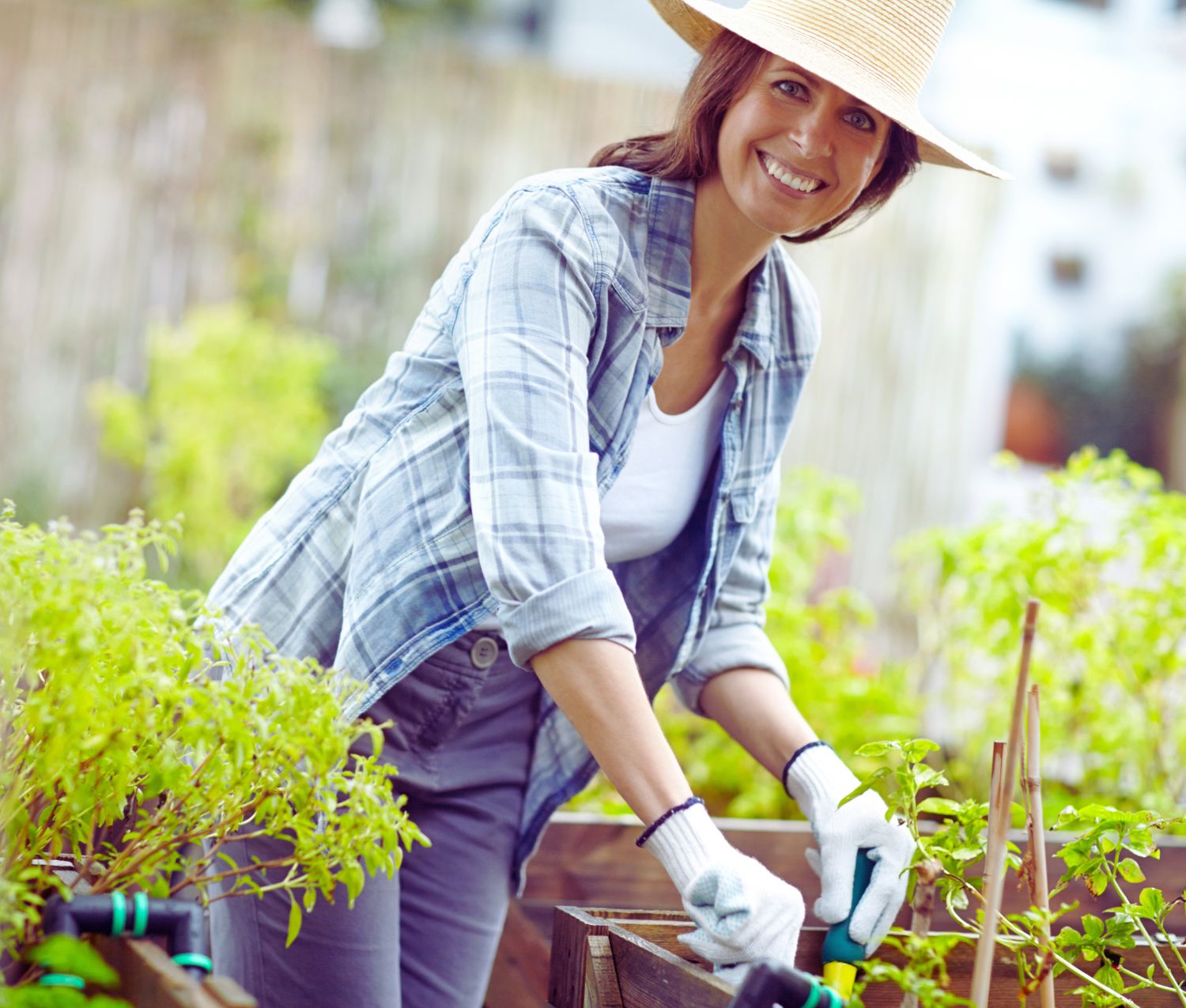
You might imagine someone caring for land—tending soil, plants, trees.
Working with the seasons.
Paying attention to what’s needed at different times.
And one of the most important aspects of stewardship is this:
Working with what’s available, and not depleting it.
Meeting Yourself Where You Are
In my work—on the yoga mat, in coaching, in group settings—I come back to this again and again:
Meet yourself where you are.
Not where you think you should be.
Not where you were in the past.
But where you are today.
Because life isn’t neat.
It’s full.
It’s complicated.
And it changes day to day.
Your energy changes.
Your clarity changes.
Your capacity changes.
Self-stewardship means working with all of that.
And whatever we do—whether it’s movement, work, or rest—we want it to support our energy or even replenish it.
Not drain it.
A Different Way to Approach Habits
This is where habits come in.
Because habits are often taught through discipline:
push harder
stay consistent
stick with it no matter what
But when we look through the lens of self-stewardship, we begin to ask different questions.
Instead of asking:
What should I do?
We ask:
What do I need right now?
What supports me?
Is this sustainable?
Is this depleting me—or supporting me?
Self-stewardship becomes a practice of:
- pausing
- checking in
- listening
Listening to your body.
Listening to your energy.
Listening to what’s happening on the inside.
Working With What’s Available
Stewardship is also about working with what’s available.
Not constantly adding more.
But paying attention to the resources you already have.
Your internal resources:
- energy
- attention
- focus
And your external supports:
- relationships
- structures
- community
The question becomes:
What is available to me right now, and how do I work with that well?
The Midlife Invitation
In midlife, this often requires an operating system shift.
Because many women arrive here after years—sometimes decades—of caring for others.
- children
- partners
- colleagues
- family members
- community
And they’ve been doing that well.
But when they arrive in this stage of life, they may also feel:
tired
overextended
stretched thin
Sometimes even on the edge of burnout.
And that’s where the invitation changes.
The invitation is to begin turning that same care and attention toward yourself.
Pause. Soften. Breathe.
Often, the first step is very simple.
Pause. Soften. Breathe.
Even now, you might take a breath in—and a slow breath out.
And begin to notice:
How is my energy?
How have I been caring for myself?
Where might I need more support?
The Compass of the Heart
Self-stewardship requires listening.
It asks us to step out of autopilot and reconnect with something deeper.
What I’ve been calling: the compass of the heart
That place inside you where your own wisdom lives.
The Self—with a capital S.
It’s not something only a few people have.
We all have access to it.
But we access it by slowing down, pausing, and paying attention.
Stewardship in Everyday Life
When we begin to listen, we can start to care for ourselves more intentionally.
We might notice:
our energy → and begin supporting it through sleep
our steadiness → and begin supporting it through nourishment
our vitality → and begin supporting it through movement
our nervous system → and begin supporting it through rest and breaks
These are all forms of stewardship.
Ways of tending to ourselves with care.
A Question to Take With You
So rather than asking:
What habits should I be building?
You might ask:
Where am I being asked to or where do I want to better steward myself right now?
Is there an area of your life—your energy, your focus, your creativity—that could use more attention and tending?
Let that be the starting point.
What Begins to Unfold
And over time, when we practice this kind of self-stewardship, something deeper begins to unfold.
We begin to experience a more supportive, more connected relationship with ourselves.

.png)